
Successful Endeavours offer a range of cost effective product development services to Australian businesses. We also understand the need for successful electronics products that meet the investment balance between development cost, unit cost and time to market. Our focus is on making products that work in the real world and are cost effective to manufacture in Australia.
Product development services we offer include:
- Requirements capture and system design
- Electronics design and PCB layout
- Embedded software development
- Mechanical design
- Prototyping and testing
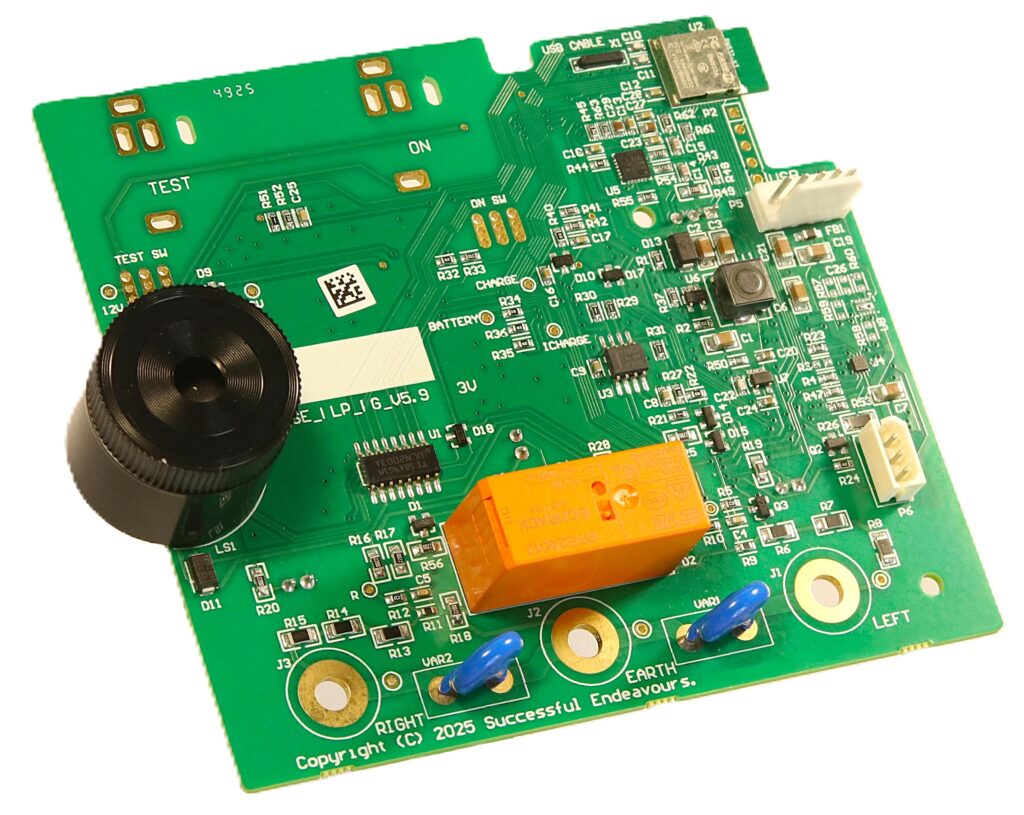
Requirements Capture
Every project starts by sitting down with the customer to discuss and scope out the requirements for the product including:
- Functional – What the product must do and for who (the Stakeholders)
- Operational – What constraints are there
- Environmental – Temperature, IP rating, vibration
- Regulatory – What standards apply eg. Electrical Safety and EMC Compliance
- Commercial – Target manufacturing cost and expected production volume
Electronics Design
This stage of the project transforms the requirements into physical reality through the following steps:
- Schematic Capture
- Component selection – Choosing parts based on the requirements
- Circuit simulation – SPICE simulation is used to test critical sub-circuits mathematically before they are built
- Design review – A peer review process to catch any errors and verify that the design meets the requirements
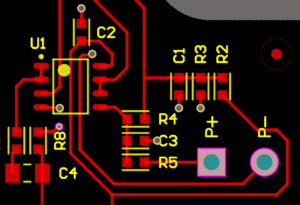
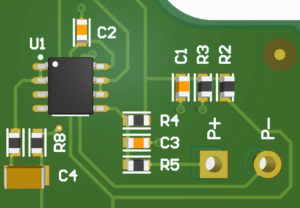
- PCB Layout
- Placement – Arranging the components on the PCB
- Routing – Connecting the pins of the components with copper traces
During this phase, the team considers both design for manufacture (DFM) and design for test (DFT) to ensure they design the product from the ground up for quick, reliable assembly and testing.
 |
 |
Embedded Software Development
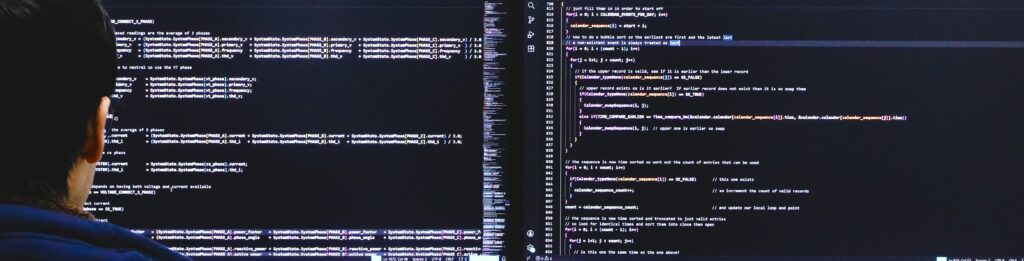
In most projects the heart of the PCB will be a microcontroller; this stage of the project develops the code that runs on the microcontroller to achieve the functionality laid out in the requirements by the following steps:
- Architecture – This is the planning stage that divides up the operation of the product into smaller sub systems and documents how they will interact with each other
- Hardware Abstraction – Writing the low-level code that allows the software to talk to the specific chips on the board
- Core Logic – Implementing the functional requirements—the algorithms that process data and make decisions
Mechanical Design
Products are very rarely designed to be just a PCB assembly, typically they also include an enclosure and can also include moving parts or ways of interfacing with the product. For simple or low volume products this could just be an off the shelf enclosure or for higher volume products it may include custom tooling. We complete this stage in close collaboration with the electronics design team, including the following:
- Concept Development – How the product should look and material selection
- 3D CAD – Modelling the components that make up the product and how they fit together
During this stage, we also consider how to manufacture the product’s mechanical parts. Depending on the material and volume this could include:
- Injection Moulding
- 3D Printing
- CNC Machining
- Folded sheet metal
Prototyping and Testing
Once the design is complete we can typically produce an initial prototype in just a couple of weeks using our in house manufacturing capabilities. Once the prototype is assembled, our engineers test it to ensure it satisfies all requirements and operates as expected. This is typically done with the following steps:
- Initial Power Up – Checking that the board doesn’t short circuit and that all voltage rails are stable
- Functional Testing – Testing that each block of the circuit functions correctly
- Debugging – Investigating and fixing any parts of the design (both electronics and software) that don’t function as desired
Our Proceses
Product Development, how hard can it be?
Good question and to understand that, we also have to let you know that isn’t just whether the PCB is designed well or the software runs correctly that leads to a successful product; it also matters that the product works for the market, the users and the business that is selling it. Part of the Requirements Capture process is understanding everyone who cares about the product. Here is an example map for a typical product.
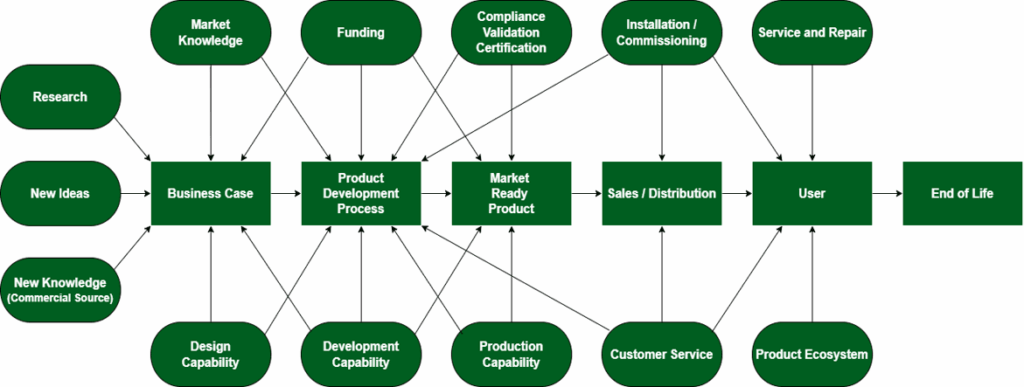
Wow, that’s a lot.
Yes it is. But that is why our process helps. The Product Development Process is at the heart of this and that is why we focus on being really good at that. Which goes way beyond circuit board tracks and lines of code.
An example of the process for looking at what we do in hardware versus software is shown in the diagram below.
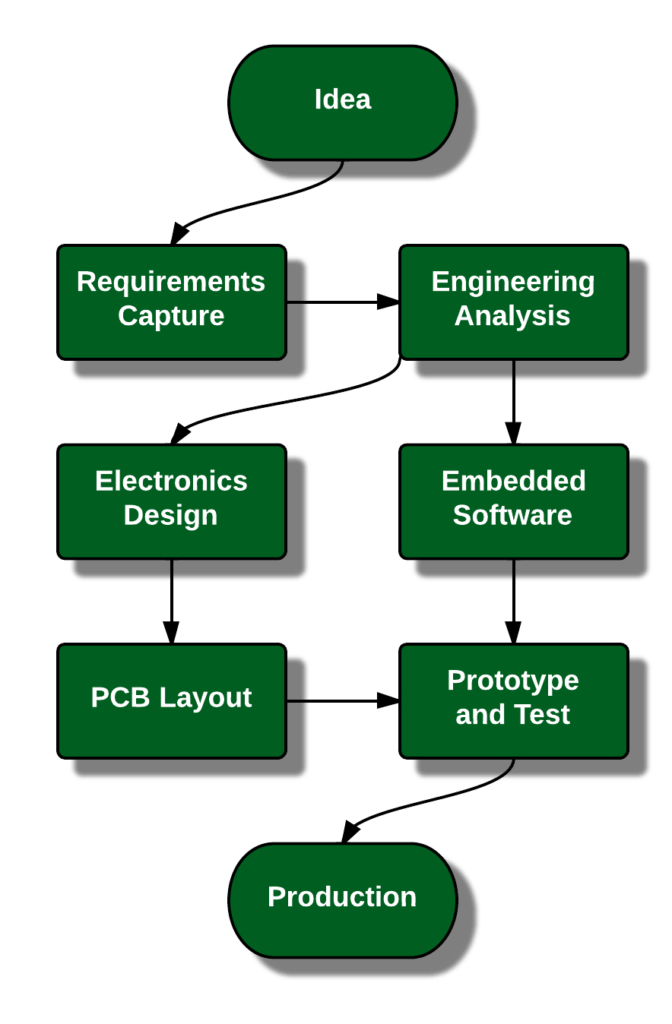
And the same type of process is applied to what happens in embedded software, web services, apps and partner products if this is part of a product ecosystem.
So while it is not simple, good process ensures that success is the normal outcome, and that is what we are all about.
Successful products, Made in Australia.
If you are developing an electronic product, and especially if you would like to make that product in Australia, then please Contact us to explore the best way forward.